
Why a Colonoscopy is the Most Important Recipe You’ll Ever Follow
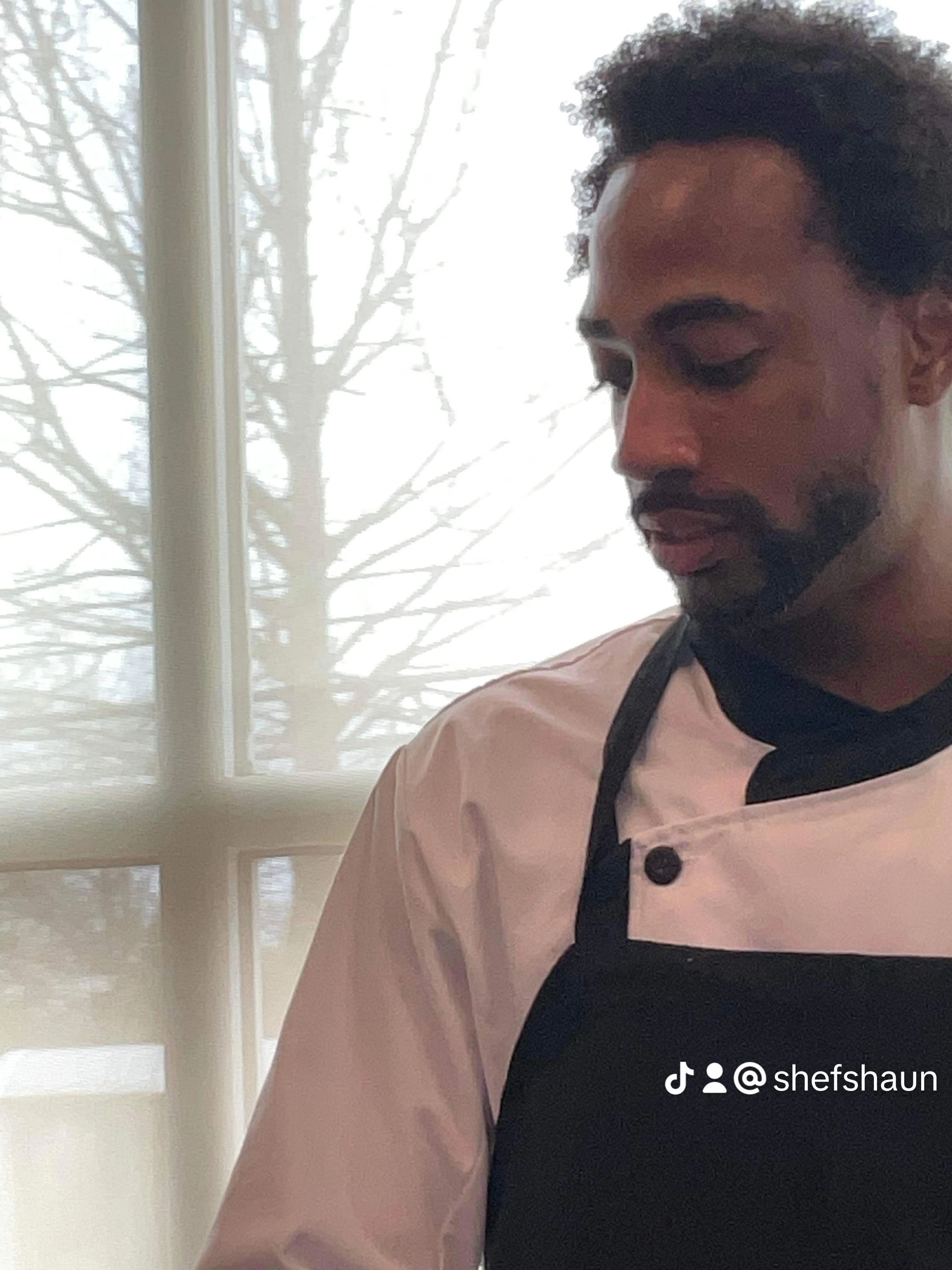
In my kitchen, everything starts with preparation. Whether I’m hand-rolling pasta or prepping for a large catering event, the foundation determines the result. Recently, I realized that the same logic applies to our health—specifically when it comes to colonoscopies.
We often focus on the "superfoods" we should eat to stay healthy, but we rarely talk about the preventative care that actually saves lives. Colorectal cancer is one of the few cancers that is highly preventable through regular screening.
The Stats You Need to Know
Colorectal cancer is the second leading cause of cancer deaths in the U.S., yet it doesn’t have to be.
Screening saves lives: Regular screening can prevent about 60% of deaths from colorectal cancer.
Early Detection: When caught in the localized stage, the survival rate is incredibly high. The issue is that many people wait until they have symptoms, but the goal of a colonoscopy is to catch things before symptoms even start.
Shifting the Conversation
I know, the "prep" for a colonoscopy isn't exactly a five-star experience. But as someone who has navigated the liquid diets and the early morning appointments, I can tell you: it is worth it. We spend so much time curate the best ingredients for our recipes; let’s make sure we are taking that same care with our own longevity. If you are 45 or older—or have a family history—please schedule your screening.

The "After-Care" Menu: Gentle Recipes for Post-Screening
1. Golden Ginger & Turmeric Bone Broth
This is the ultimate "wake up" for your digestive tract. It’s hydrating, rich in collagen, and the ginger helps settle any lingering queasiness.
The Secret: Simmer high-quality bone broth with a 1-inch knob of smashed ginger and a pinch of turmeric. Strain it well so it’s perfectly smooth.
Why it works: It’s savory and satisfying without requiring any heavy lifting from your stomach.
2. Silky Miso-Maple Sweet Potato Mash
Instead of heavy butter and cream, use a little white miso paste for a salty, umami kick and a touch of maple syrup.
The Secret: Peel the sweet potatoes completely (removing all skin) and boil until very soft. Pass them through a ricer or food mill to ensure there are zero lumps or fibers. Fold in a teaspoon of white miso thinned with a little warm water.
Why it works: It’s packed with potassium and vitamins but is incredibly easy to digest.
3. Herbed Lemon Pastina
Think of this as the sophisticated, "Shef Shaun" version of comfort food.
The Secret: Cook star-shaped pastina or orzo in chicken stock until it’s very soft. Toss it with a tiny bit of olive oil, a squeeze of fresh lemon juice, and finely minced fresh parsley (avoiding any woody stems).
Why it works: It’s a gentle way to reintroduce solids and carbohydrates for energy.
FAQs: The Shef’s Guide to the Big Prep
1. Is the "prep" really as bad as everyone says?
Honestly, the prep is the hardest part, but it’s mostly just a test of patience! Think of it like a deep-clean for your kitchen—you have to clear everything out before you can start fresh. It’s a one-day commitment for years of peace of mind.
2. Why can't I have raw veggies or "roughage" right after?
Your digestive system has been through a lot! Raw vegetables are high in insoluble fiber, which is like sending a "heavy load" through a kitchen that’s still waking up. Stick to the soft, cooked, and pureed recipes I shared for the first 24 hours to give your system a smooth start.
3. What should I look for during the "clear liquid diet" phase?
As a chef, I recommend focusing on high-quality broths. Don't just settle for the canned stuff—a good bone broth provides electrolytes and keeps you feeling satisfied. Just remember: nothing red, blue, or purple! Those dyes can interfere with the doctor’s view.

4. How long does the procedure actually take?
The actual colonoscopy usually takes about 30 to 60 minutes. You’ll be under light sedation, so you likely won't remember a thing. You’ll spend more time in the waiting room than in the actual procedure!
5. I’m under 45, do I still need one?
The current guidelines recommend starting at 45, but if you have a family history or are experiencing symptoms like persistent changes in your digestion, don't wait. Always talk to your doctor about your specific timeline.
Let’s keep cooking, keep eating, and keep taking care of ourselves.


Comments